



If you have ever searched for advice on bathroom remodeling, you have probably seen wildly different answers. Some designers suggest refreshing the look every five years, while many real estate professionals point to ten years as a common benchmark. At the same time, most bathroom fixtures can last twenty years or more, and many bathrooms remain fully functional for decades.
So how often should you really remodel your bathroom?
The most honest answer is this: you should remodel your bathroom when its condition, function, or safety no longer matches your needs.
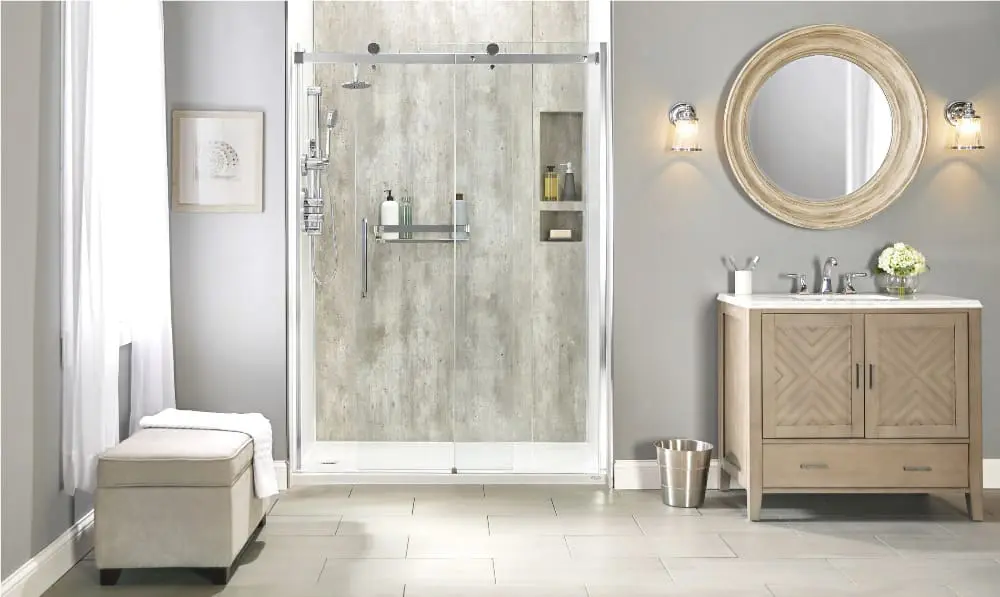
The Idea Of A “Remodel After X Years Rule”
You’ve probably heard that bathrooms should be remodeled every 10 years—but that idea is more of a guideline than a rule.
It comes from a few factors: bathrooms experience heavy use and moisture, design trends change over time, and buyers tend to focus on kitchens and bathrooms when evaluating a home. Together, these create pressure to update regularly.
However, a bathroom doesn’t suddenly become outdated or unusable after a set number of years. Many last 20+ years or more with proper maintenance and quality materials.
Bottom line: remodel based on condition and function—not an arbitrary timeline.
A Better Way To Think About Timing Your Bathroom Renovation
Instead of asking, “Has it been ten years yet?” a more useful question is, “What is my bathroom telling me?” In general, you can think of bathroom updates in three levels:
- Minor refreshes every 3 to 5 years.
This might include repainting, replacing towels and decor, updating light fixtures, changing cabinet hardware, or swapping out a faucet or mirror. These updates keep the room feeling fresh without major construction. - Partial remodels every 7 to 15 years.
This might involve replacing a vanity, installing new flooring, retiling a shower, updating a toilet, or improving lighting and ventilation. These projects address wear and functionality while avoiding a full gut job. - Full renovations only when needed.
A complete bathroom renovation makes sense when there is major water damage, persistent plumbing trouble, mold, an inefficient layout, or several aging components failing at once. This kind of project is driven by need, not a date on the calendar.
Signs Your Bathroom May Need A Full Remodel
There are a few clear indicators that a bathroom is due for more than basic maintenance.
1. Recurring Plumbing Problems
Frequent leaks, low pressure, slow drains, or constant repairs often point to deeper plumbing issues. If problems keep coming back, fixing them individually can cost more than addressing everything at once.
2. Water Damage or Mold
Soft flooring, peeling paint, warped cabinets, stains, or musty odors all signal moisture problems. Mold—whether visible or hidden—is a strong sign the bathroom needs more than cosmetic fixes.
3. No Longer Fits Your Lifestyle
If the layout feels cramped, storage is lacking, or the space doesn’t support your daily routine or accessibility needs, it may be time for a redesign.
4. Visible Wear and Tear
Cracked tiles, worn grout, chipped fixtures, and outdated finishes can make the bathroom harder to clean and less enjoyable to use.
5. Poor Lighting or Ventilation
A dim, humid bathroom can lead to discomfort and long-term damage. Improving lighting and airflow is often part of a larger remodel.
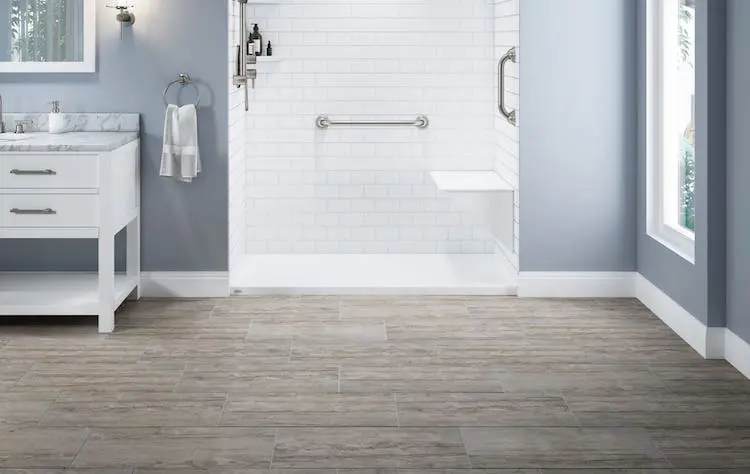
Not Every Bathroom Needs A Full Gut Renovation
One of the biggest mistakes homeowners make is assuming the only options are “do nothing” or “tear everything out.” In reality, many bathrooms benefit from targeted improvements rather than a total rebuild.
If the layout works, the plumbing is sound, and the major fixtures are still in good condition, you may only need a refresh.
A basic refresh can include:
- new paint
- updated linens and decor
- new cabinet hardware
- a new faucet or light fixture
- a new mirror
- fresh caulk and grout repair
A partial remodel can include:
- replacing the vanity
- redoing the floor
- updating wall tile or shower surrounds
- replacing an old toilet with a more efficient model
- improving storage
- upgrading the fan and lighting
A full renovation usually makes the most sense when:
- water damage is extensive
- plumbing or electrical systems need work
- the layout is dysfunctional
- multiple surfaces and fixtures are failing together
- accessibility changes are needed
The key is to match the scope of the project to the real problem.
How Long Do Bathroom Components Actually Last?
One reason bathroom remodeling advice feels inconsistent is that different parts of the room have very different lifespans. Some components can last for decades. Ceramic sinks, tubs, and toilets are often incredibly durable. Structural tile work, if installed properly, can also last a very long time.
Other elements age faster. Paint, caulk, seals, grout, hardware finishes, and showerheads tend to need maintenance or replacement much sooner. Vanities, laminate countertops, and lower-cost flooring materials can also show wear earlier depending on moisture exposure and use.
That means a bathroom does not expire all at once. More often, it ages piece by piece.
| Bathroom Component | Typical Lifespan | Why It Matters |
| Toilets (ceramic) | 20–50+ years | Core fixture; rarely fails but may be replaced for efficiency |
| Bathtubs / Showers | 10–30+ years | High-use area; wear, staining, or damage often drives remodels |
| Tile (floor & walls) | 20–50+ years | Structural finish; failure leads to water damage risk |
| Faucets & Plumbing Fixtures | 10–20 years | Daily use; leaks and corrosion signal aging |
| Vanity & Cabinetry | 10–20 years | Affects storage, function, and overall look |
| Flooring | 10–20 years | Moisture exposure leads to wear and potential subfloor issues |
| Caulking & Seals | 3–5 years | Critical for preventing leaks, mold, and hidden damage |
| Ventilation (exhaust fan) | 10–15 years | Prevents moisture buildup, mold, and long-term deterioration |
What About Resale Value?
Bathroom remodels are often framed as “must-do” upgrades for resale—but the data tells a more nuanced story.
Yes, buyers tend to favor updated, move-in-ready homes. A modern bathroom can help a home sell faster and feel more appealing in listing photos. But financially, bathroom remodels are not guaranteed profit-makers—and in many cases, they don’t fully pay for themselves.
According to the 2024 Cost vs. Value Report, a midrange bathroom remodel recoups about 74% of its cost, while an upscale remodel recoups only around 45%. Broader estimates show most bathroom remodels return roughly 45% to 74% overall, depending on scope and market . Even in strong markets, ROI varies widely by region—ranging from about 70% to over 90% in top-performing areas .
This leads to an important conclusion:
“Remodeling helps resale—but it’s often about buyer perception and convenience, not pure financial return.”
The biggest mistake homeowners make is remodeling based on perceived expectations instead of actual need.
Bathroom Remodel ROI vs. Reality
| Remodel Type | Avg. Cost (2024) | Avg. ROI (Recouped) | What It Means for Resale |
| Minor / Cosmetic Updates | $2K–$10K (varies) | ~70%–90%* | Best ROI; improves perception without overspending |
| Midrange Remodel | ~$25,251 | ~74% | Strong balance of cost vs. buyer appeal |
| Upscale Remodel | ~$78,840 | ~45% | Lower ROI; more about personal preference |
| Universal Design Remodel | ~$40,750 | ~49% | Functional upgrades, moderate resale impact |
| Regional High ROI (best-case markets) | ~$27K | ~90%+ | Location-dependent; not typical nationwide |
How To Delay A Major Remodel
If you want your bathroom to last as long as possible, maintenance matters.
Regular upkeep can buy you years before you need major work. That includes fixing leaks promptly, redoing caulk before water gets behind surfaces, sealing grout, replacing worn trim, maintaining the exhaust fan, and updating small components as they fail.
It also helps to choose timeless materials instead of chasing every trend. A bathroom built well with durable finishes will age more gracefully than one designed around short-lived fads.
In other words, you do not necessarily need to remodel more often. You need to maintain better and update strategically.
So, How Often Should You Remodel Your Bathroom?
The best answer isn’t a fixed timeline—it’s based on how your bathroom actually performs. Refresh the space when it starts to feel tired, replace components as they wear out, and consider a partial remodel when functionality declines. A full renovation should only be necessary when there’s real damage, inefficiency, or the space no longer meets your needs.
If you’re unsure what your bathroom truly needs, Atlas Home Safety, serving the Ann Arbor and Detroit areas, can help you make the right call. Their team focuses on practical, safety-driven upgrades—from accessibility improvements to functional remodels—so you get a bathroom that works better for your life without unnecessary renovations.
If you live in Michigan and need help with your bathroom remodel, we can help. To get started, call or fill out a contact form today!
Frequently Asked Questions
Is the 10-year bathroom remodel rule real?
It’s a common guideline, not a rule. Many bathrooms last 20+ years with proper maintenance and don’t need full remodeling on a fixed schedule.
What adds the most value in a bathroom remodel?
Updated fixtures, improved lighting, modern vanities, and clean, neutral finishes typically offer the best return.
Can I remodel my bathroom in stages?
Yes. Many homeowners update components over time—like replacing fixtures, flooring, or vanities—rather than doing a full remodel at once.
What is the difference between a bathroom refresh and a remodel?
A refresh involves cosmetic updates like paint and fixtures, while a remodel includes structural or layout changes and major upgrades.
Do outdated bathrooms hurt home value?
They can affect buyer perception, but a clean, functional bathroom still holds value—even if it isn’t trendy.
What’s the biggest mistake homeowners make with bathroom remodeling?
Remodeling based on trends or pressure instead of actual need—leading to unnecessary spending without improving function.