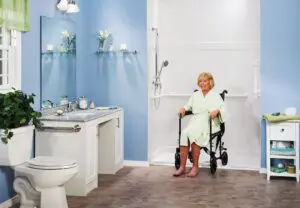




When it comes to improving accessibility at home, few solutions are as practical and transformative as a vertical platform lift (VPL). Whether you’re navigating steps at your front entry or moving between levels inside your home, platform lifts provide a safe, space-efficient alternative to ramps or full residential elevators.
One of the most important decisions homeowners face, however, is this: Should your platform lift be installed indoors or outdoors?
At Atlas Home Safety, we help Michigan homeowners make this decision every day. The answer isn’t simply about location, it’s about how the lift fits your home, your lifestyle, and your long-term mobility needs. In this guide, we’ll break down the key considerations to help you determine which option is right for you.
For many homeowners, the decision between an indoor and outdoor platform lift also comes down to lifestyle and daily habits. How you move through your home, which entrances you use most frequently, and whether you prioritize convenience or aesthetics all play a role. A thoughtfully selected lift doesn’t just solve a mobility challenge, it enhances your overall quality of life by making your home easier, safer, and more enjoyable to navigate every day.
What Is a Platform Lift?
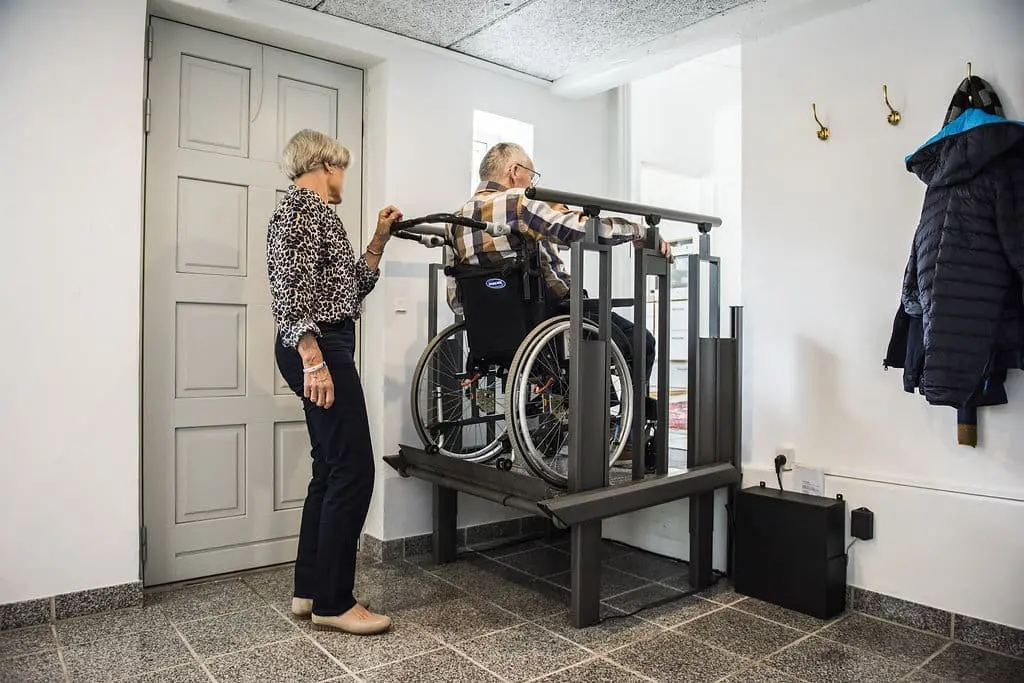
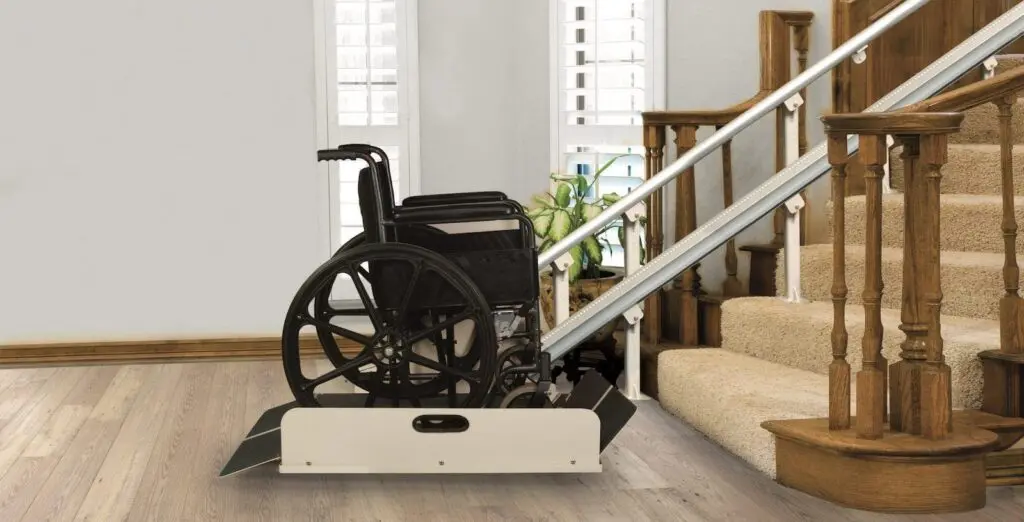
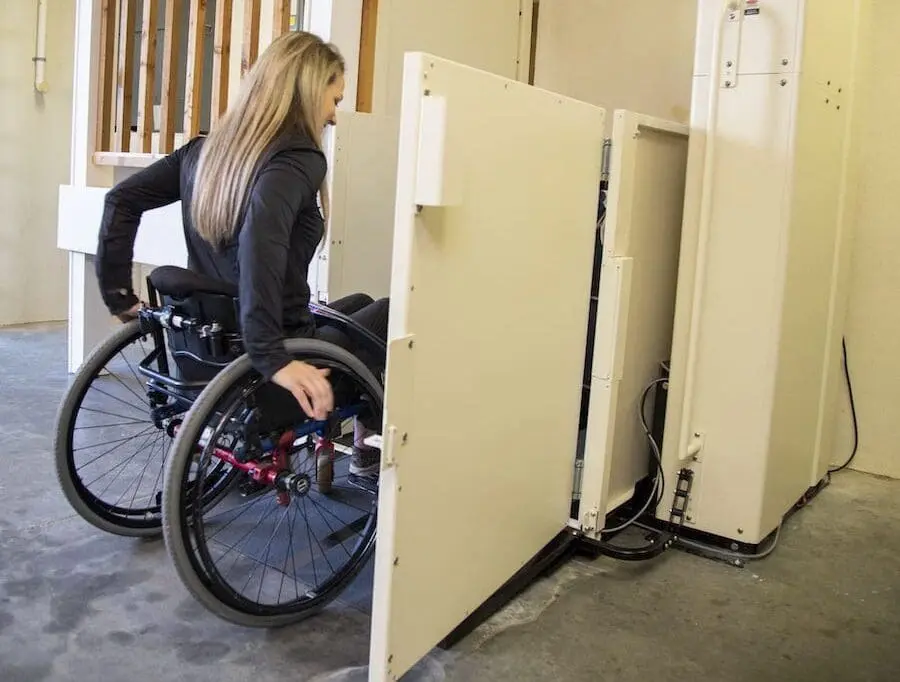
A vertical platform lift is designed to raise and lower a person, often with a wheelchair or mobility device, between two levels. It’s commonly used in residential settings where a ramp would be too long or impractical due to space constraints. An incline platform lift has a similar use but for moving up and down stairs in your home. Additionally, installing a platform lift is considered part of the checklist for an aging-in-place home remodeling project.
Platform lifts are versatile and can be installed both indoors and outdoors, but the environment they operate in significantly impacts their design, performance, and user experience.
Indoor Platform Lifts: Designed for Comfort and Integration
Indoor platform lifts are installed within the home, often connecting split levels, basements, garages, or main living spaces.
Key Advantages of Indoor Lifts
1. Controlled Environment
Indoor lifts operate in a stable environment, no exposure to rain, wind, or extreme temperatures. This leads to more predictable performance and a smoother, more comfortable ride.
2. Quieter Operation
Because they’re protected from the elements and often surrounded by walls, indoor lifts tend to run more quietly, an important factor in maintaining a peaceful home environment.
3. Seamless Aesthetic Integration
Indoor lifts can be customized to match your home’s interior design. They can be installed along walls or in corners and often blend naturally into the layout.
4. Lower Environmental Wear and Tear
Without exposure to weather, indoor lifts typically experience less corrosion and require less frequent maintenance related to environmental factors.
Considerations for Indoor Installation
- Space limitations
- Structural modifications
- Primary use case within the home
Outdoor Platform Lifts: Built for Accessibility at the Entry Point
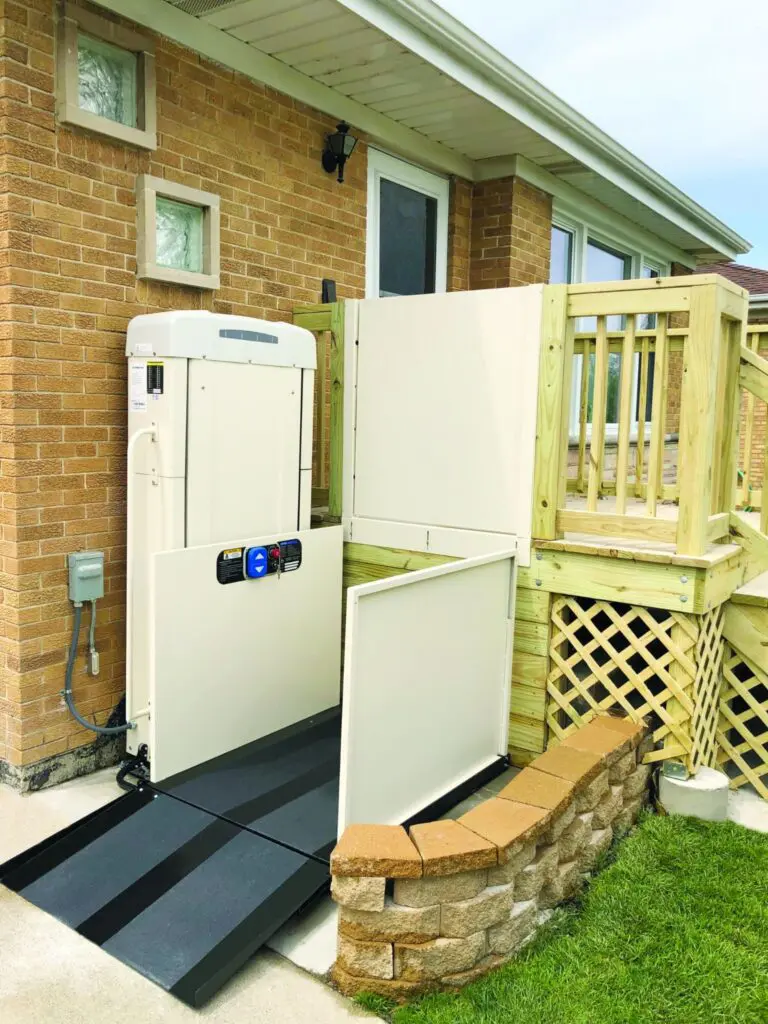
Outdoor platform lifts are installed outside the home, commonly at front entrances, porches, decks, or garages.
Key Advantages of Outdoor Lifts
1. Direct Access to the Home
Outdoor lifts provide immediate accessibility at entry points, allowing users to enter and exit independently, often eliminating the need for assistance.
2. Designed for Weather Resistance
Outdoor lifts are built with durable materials like galvanized steel and sealed components to withstand rain, heat, and humidity.
3. Greater Installation Flexibility
Exterior spaces often provide more room for installation compared to tight interior layouts.
4. Ideal for Primary Accessibility Barriers
If stairs at your front porch or garage are your main obstacle, an outdoor lift is often the most practical solution.
Considerations for Outdoor Installation
- Weather exposure
- Maintenance needs
- Visual impact
Key Differences Between Indoor and Outdoor Platform Lifts
While both options serve the same purpose, several important factors set them apart.
The most significant difference is environmental exposure. Indoor lifts operate in controlled conditions, allowing for simpler designs and fewer protective features. Outdoor lifts must be engineered to withstand weather, requiring sealed electronics, corrosion-resistant materials, and enhanced traction features.
User experience also differs. Indoor lifts offer a more consistent, climate-controlled ride, while outdoor lifts can vary depending on weather conditions but provide unmatched independence at the home’s entry point.
Space and placement considerations vary as well. Indoor installations must work within existing floor plans, which can be limiting, while outdoor installations often allow for more flexibility but must account for landscaping, property lines, and terrain.
Maintenance requirements are another key distinction. Indoor lifts typically require less maintenance, while outdoor lifts need ongoing care to address weather-related wear such as moisture, debris, and temperature fluctuations.
Finally, aesthetics and design priorities differ. Indoor lifts focus on blending into interior spaces, while outdoor lifts must complement exterior architecture and maintain curb appeal.
Safety Considerations
Safety is a top priority regardless of installation type, but the features may vary slightly depending on location.
Indoor lifts emphasize smooth operation, controlled speed, and quiet performance, while outdoor lifts often include non-slip surfaces, additional lighting, and weather protection features to enhance safety in changing conditions.
Another often overlooked aspect of safety is user confidence, which can vary between indoor and outdoor platform lifts. Indoor lifts typically provide a more controlled and predictable experience, with consistent lighting, stable temperatures, and fewer external variables. Outdoor lifts, while designed with durable safety features, may require users to navigate changing weather conditions such as rain or temperature fluctuations. In both cases, intuitive controls, smooth operation, and clear visibility are essential, but ensuring the lift matches the user’s comfort level in its environment is key to promoting consistent use and long-term independence.
Installation and Permitting
Installation complexity can vary based on location. Indoor lifts may involve interior construction, such as minor structural modifications, but are often more straightforward from a permitting standpoint. Outdoor lifts may require additional permits due to exterior modifications, electrical considerations, and local building codes. Both indoor and outdoor lift installations should be done by a certified safety contractor.
Working with an experienced provider like Atlas Home Safety ensures the entire process, from design and permitting to installation, is handled efficiently and in compliance with local regulations. We also offer our Property Protection Guarantee, meaning that we will ensure your property, indoors and outdoors, stays protected during installation. If property is damaged we will repair or replace it.
Which Option Is Right for You?
Choosing between an indoor and outdoor platform lift ultimately comes down to your specific needs and daily routines.
Choose an Indoor Lift If:
- Your mobility challenges are primarily inside the home
- You want a quieter, more discreet solution
- You prefer a climate-controlled experience
- Interior design integration is important to you
Choose an Outdoor Lift If:
- Your main barrier is entering or exiting your home
- You need direct access to porches, decks, or garages
- Interior space is limited
- Independence at the entry point is your top priority
In some cases, homeowners benefit from both, an outdoor lift for entry and an indoor lift for navigating between levels.
Planning for the Future
Accessibility needs often evolve over time, so it’s important to think beyond your current situation when choosing between indoor and outdoor lifts. Consider how your mobility needs may change in the coming years and whether additional areas of your home could become difficult to access. It is also worth evaluating whether installing one lift now could reduce the need for future modifications or additional equipment.
Taking a long-term view can help you make a more strategic investment, ensuring your home remains safe, functional, and comfortable for years to come.
It’s also important to consider how a platform lift may impact your home’s overall value and usability. Accessibility features are becoming increasingly desirable, not only for those with immediate mobility needs but also for aging in place, fall prevention, and multigenerational living. By choosing the right type of lift and installing it in a strategic location, you’re not only addressing current challenges but also making a forward-thinking investment in your home’s long-term functionality and appeal.
Indoor vs. Outdoor Platform Lifts: Which is Right for You?
Indoor and outdoor platform lifts both provide meaningful accessibility benefits, but they serve different purposes. Indoor lifts offer comfort, quiet operation, and seamless integration into your home’s interior, while outdoor lifts deliver independence and direct access at critical entry points.
The right choice depends on your home layout, environment, daily routines, and long-term needs. Accessibility is ultimately about maintaining independence, safety, and comfort in your home.
At Atlas Home Safety, we focus on helping you find the solution that fits your life, not just your home. If you’re considering a platform lift, our team is ready to guide you through every step of the process, from evaluation to installation. Contact us online or call us at 800-768-4498
FAQs About Indoor vs. Outdoor Platform Lifts:
Q: What is the main difference between an indoor and outdoor platform lift?
The primary difference comes down to environment and use. Indoor platform lifts operate in a controlled setting, offering a quieter and more consistent experience. Outdoor lifts are built to withstand weather conditions and are typically used to provide access at entry points like porches, decks, or garages.
Q: Are outdoor platform lifts safe to use in all weather conditions?
Yes, outdoor platform lifts are specifically designed with weather-resistant materials and safety features such as non-slip platforms and sealed components. However, extreme weather conditions like ice or heavy storms may still impact usability, so regular maintenance and proper usage are important.
Q: Do indoor platform lifts require major home renovations?
In most cases, indoor platform lifts require minimal structural modifications, especially when installed along existing walls or in open spaces. However, the exact level of renovation depends on your home’s layout and the location of the lift.
Q: How do I decide which type of platform lift is right for my home?
The best choice depends on where you face mobility challenges. If accessing your home from the outside is the main issue, an outdoor lift is typically the best solution. If you need help navigating between levels inside your home, an indoor lift may be more appropriate. Many homeowners choose based on a combination of convenience, space, and long-term needs.