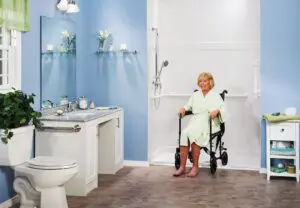




When mobility challenges begin to impact daily life, one of the most important decisions homeowners face is how to safely navigate steps, porches, or multiple levels. At Atlas Home Safety, we understand that no two homes, or mobility needs, are the same. That’s why choosing between a ramp, stairlift, or platform lift isn’t about finding a “one-size-fits-all” solution, it’s about identifying the right fit for your lifestyle, home layout, and long-term goals.
In this guide, we’ll break down each option, compare their pros and cons, and help you determine which accessibility solution is best for your home.
Understanding the Three Main Accessibility Options
Ramps
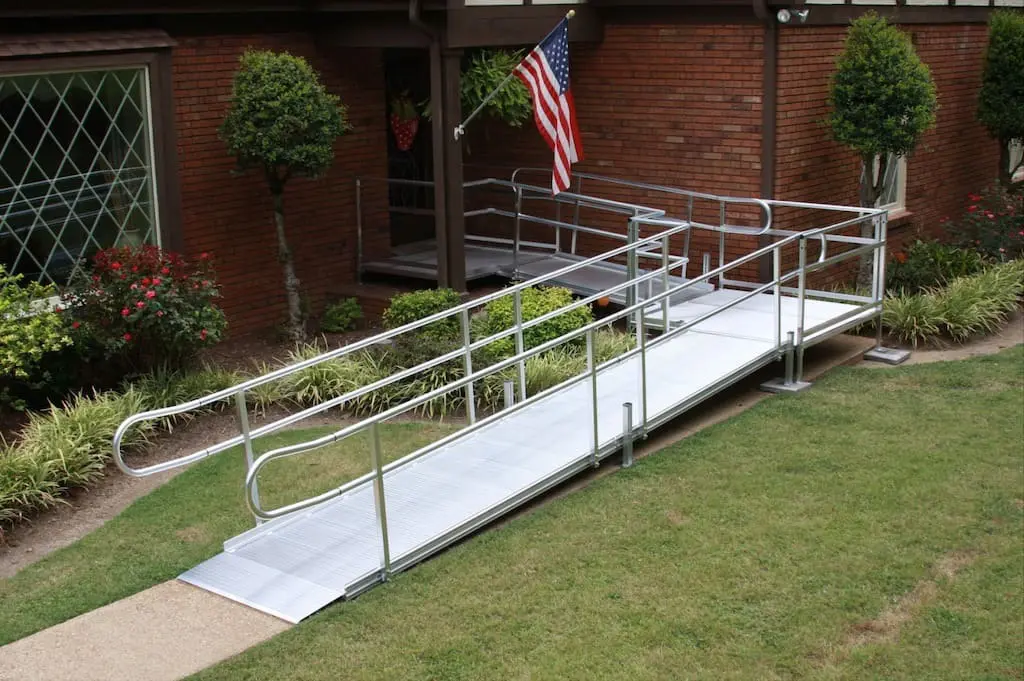
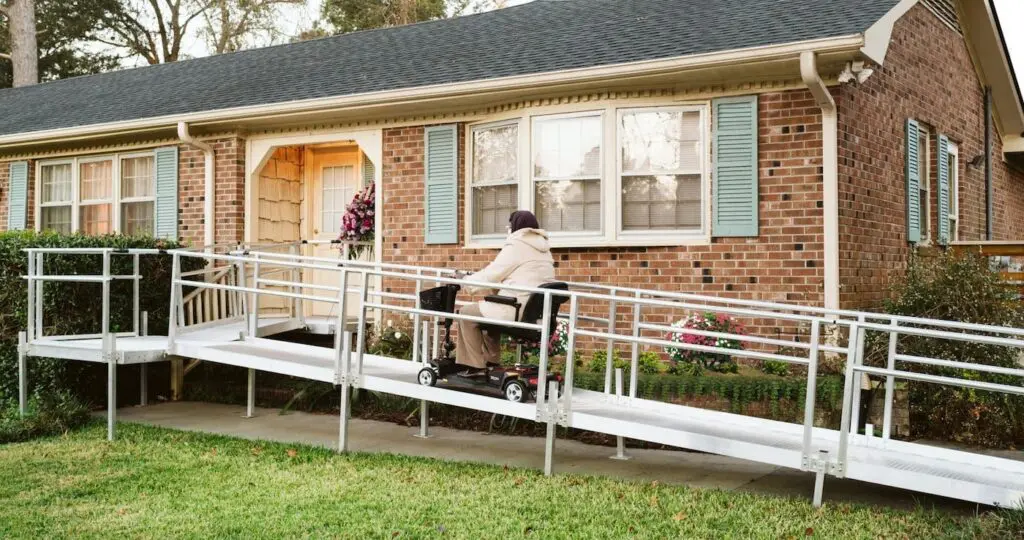
A wheelchair ramp is an inclined surface that allows users to move between different elevations without stairs. Ramps are commonly installed at entryways, garages, or outdoor transitions.
They are often modular (especially aluminum systems), making them adaptable and durable. However, ramps require a specific slope, typically about one foot of ramp for every inch of rise, which can significantly impact space requirements.
Stairlifts
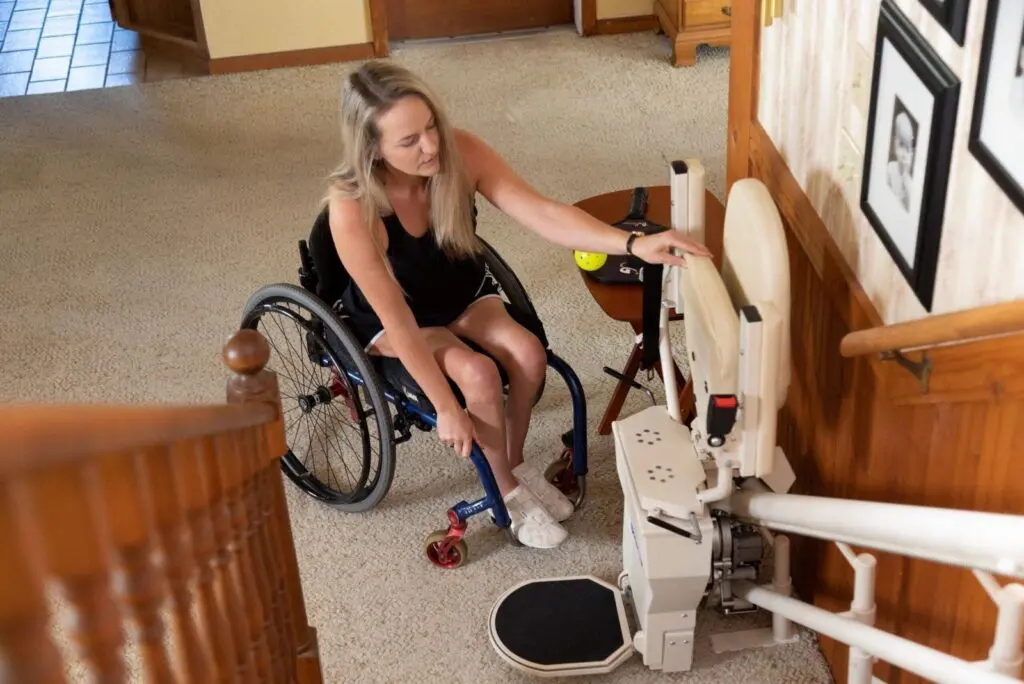
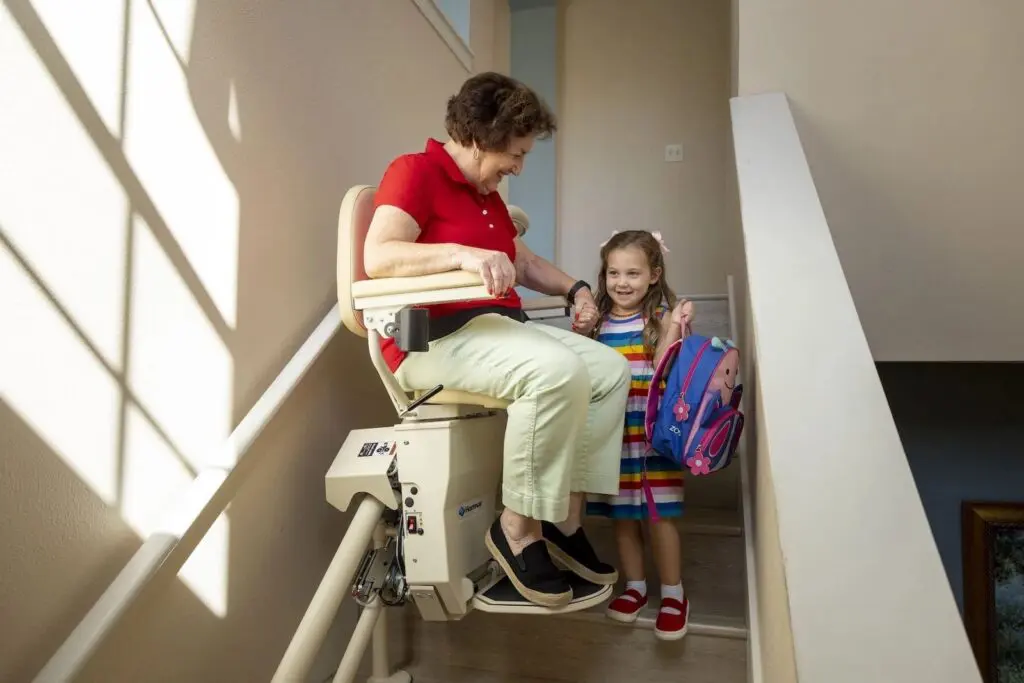
A stairlift is a motorized chair that travels along a rail mounted to your staircase. Users sit on the chair and are carried up or down the stairs safely.
Stairlifts are ideal for individuals who can transfer from a wheelchair (or standing position) into a seated position and want a quick, minimally invasive solution
Platform Lifts (Vertical Platform Lifts)
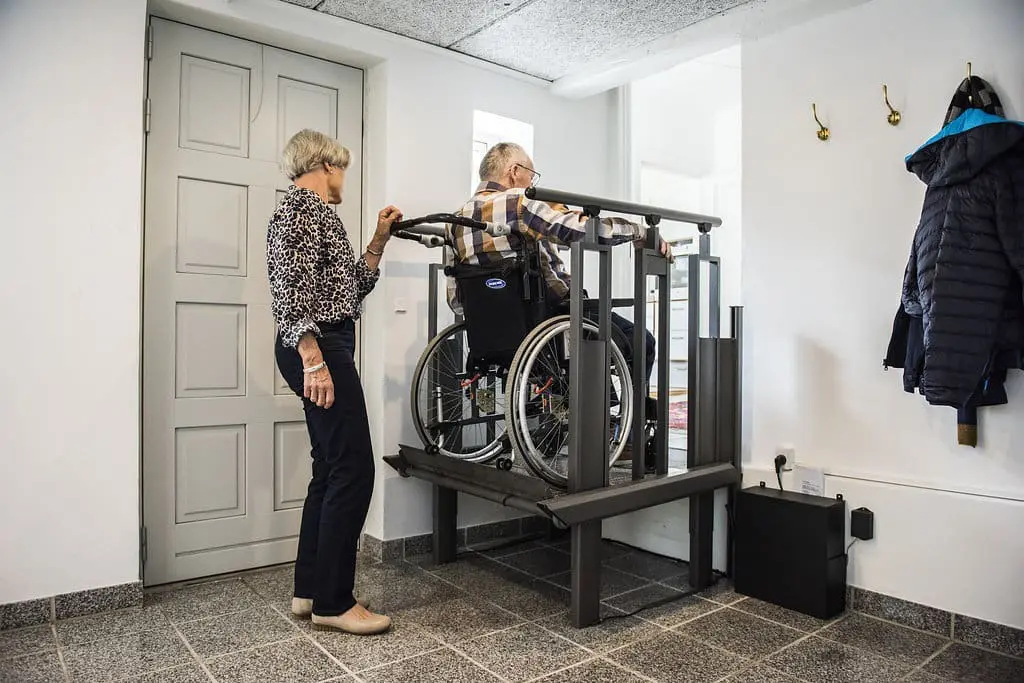
A platform lift is designed to carry a user while they remain in their wheelchair or mobility device. It operates similarly to a small elevator, raising and lowering between levels.
Platform lifts are compact, typically requiring a small footprint (around 5’ x 5’), and usually travel 5-6 feet, although some can go up to about 14 feet in height.
Key Factors to Consider
When comparing ramps, stairlifts, and platform lifts, the decision ultimately comes down to several critical factors:
- Mobility level of the user
- Space availability
- Budget
- Indoor vs. outdoor use
- Long-term vs. short-term needs
- Aesthetic preferences
1. Space Requirements
Ramps: High Space Demand
Ramps are often the most space-intensive option. Because of the required slope, even a modest height can result in a very long ramp. For example, a home with just a few steps may require a ramp stretching 30–50 feet or more.
This makes ramps challenging for homes with small yards or limited exterior space.
Best for:
- Homes with ample outdoor space
- Low-rise entry points (1–3 steps)
Stairlifts: Minimal Footprint
Stairlifts are one of the most space-efficient solutions. The rail mounts directly to the stairs, and the chair folds up when not in use.
They don’t require structural changes and can often be installed quickly.
Best for:
- Narrow staircases
- Indoor use
- Homes where space is limited
Platform Lifts: Efficient Use of Space
Platform lifts require more room than a stairlift, but significantly less space than a ramp. Instead of extending outward like a ramp, they travel vertically, making them a great solution for homes with limited yard or entry space. Their compact footprint allows them to fit neatly alongside a porch or entryway without major alterations to the property.
Best for:
- Tight exterior areas
- Taller rises (5+ steps)
- Homes where ramps won’t fit
2. User Mobility & Independence
Ramps: Great for Wheelchairs (with Effort)
Ramps are ideal for wheelchair and scooter users, but they require physical effort or a powered mobility device, especially on longer ramps.
For some users, especially those with limited upper body strength, ramps can be difficult to navigate independently.
Stairlifts: Best for Ambulatory Users
Stairlifts are designed for individuals who can safely transfer into a seated position.
However, they are not wheelchair-accessible, users must leave their mobility device behind or have another one on a different level.
Platform Lifts: Maximum Accessibility
Platform lifts offer the highest level of independence for wheelchair users. Because the user stays in their chair, there’s no need for transfers or additional equipment.
They’re especially beneficial for long-term or progressive mobility challenges.
3. Cost Considerations
Ramps: Affordable (at First)
Ramps are typically the most cost-effective solution for short rises. However, as the height increases, so does the cost, due to additional length, landings, and materials.
In some cases, a long ramp can become more expensive than a lift.
Stairlifts: Mid-Range Investment
Stairlifts are generally more affordable than platform lifts and offer a strong balance of cost and functionality.
Costs vary depending on whether the staircase is straight or curved, with curved systems requiring custom fabrication.
Platform Lifts: Higher Upfront Cost
Platform lifts typically involve a higher upfront investment, especially when factoring in installation and site preparation.
However, they may be more cost-effective than ramps for taller elevations and offer long-term value for users who need full wheelchair access.
4. Installation & Timeline
Ramps: Quick but Site-Dependent
Modular ramps can often be installed quickly, but site preparation and layout planning may take time, especially for complex configurations.
Stairlifts: Fastest Installation
Stairlifts are usually the fastest to install, often completed within a few hours.
They require minimal structural modification, making them a convenient choice for immediate needs.
Platform Lifts: Moderate Installation
Platform lifts require more preparation, including a stable base (like a concrete pad) and electrical setup.
While not as fast as stairlifts, installation is still relatively straightforward compared to larger systems like elevators.
5. Weather & Maintenance
Ramps: Exposure to Elements
Outdoor ramps are fully exposed to weather conditions. Snow, ice, rain, and debris can impact usability and require regular maintenance.
Stairlifts: Indoor vs. Outdoor Options
While many stairlifts are installed indoors, outdoor models are available with weather-resistant features.
Platform Lifts: Weather Protection Available
Platform lifts can be enclosed or covered, offering better protection from the elements and improved reliability in harsh climates.
6. Aesthetics & Home Value
Ramps: Functional but Visible
Ramps can be visually prominent, especially when long or multi-directional. This may impact curb appeal or HOA compliance.
Stairlifts: Discreet Indoors
Stairlifts are relatively unobtrusive and blend well into interior spaces. When folded, they take up minimal room.
Platform Lifts: Customizable & Clean
Platform lifts often provide a cleaner look than ramps and can be designed to match the home’s exterior, making them a more discreet option.
Side-by-Side Comparison
| Feature | Ramp | Stairlift | Platform Lift |
| Wheelchair Accessible | Yes | No | Yes |
| Space Required | High | Low | Moderate |
| Cost | Low–Moderate | Moderate | Moderate–High |
| Installation Time | Moderate | Fast | Moderate |
| Best for Height | Low rises | Indoor stairs | Low–high rises |
| Weather Exposure | High | Low–Moderate | Low |
| Independence Level | Moderate | Moderate | High |
Which Option Is Best for You?
Choosing between a ramp, stairlift, and platform lift ultimately comes down to your unique situation.
Choose a Ramp if:
- You have plenty of outdoor space
- The height you need to overcome is relatively small
- You’re looking for a lower-cost solution
- The user has sufficient strength or uses a powered wheelchair
Choose a Stairlift if:
- You can safely transfer to a seated position
- You want a quick, affordable indoor solution
- Space is limited
- You don’t need wheelchair access on the lift itself
Choose a Platform Lift if:
- You need to remain in a wheelchair or scooter
- Space is limited but vertical travel is required
- You want a long-term, accessible solution
- Independence and ease of use are top priorities
Ramp vs. Stairlift vs. Platform Lift: Which is Best for You?
There’s no universal “best” option when comparing ramps, stairlifts, and platform lifts, only the best solution for your home and your needs.
- Ramps offer simplicity and affordability for low heights
- Stairlifts provide a fast, space-saving indoor option
- Platform lifts deliver unmatched accessibility and independence
Why Homeowners Trust Atlas Home Safety
At Atlas Home Safety, we specialize in helping Michigan homeowners find the right accessibility solution, not just a solution. Whether you’re considering a ramp, stairlift, or platform lift, our team takes the time to evaluate your home, understand your needs, and recommend options that prioritize safety, comfort, and independence.
We offer professional installation, personalized consultations, and high-quality products designed to support aging in place with confidence.
Ready to make your home safer and more accessible with Atlas Home Safety? Contact us online or call us at 800-768-4498 today to schedule a consultation and explore the solution that’s right for you.
FAQs About Ramps vs. Stairlifts vs. Platform Lifts
Q: Is a ramp, stairlift, or platform lift better for wheelchair users?
Platform lifts and ramps are both suitable for wheelchair users, but they serve different needs. A ramp allows continuous access without mechanical components, but it requires significant space and effort to use. A platform lift, on the other hand, lets users remain in their wheelchair and travel vertically with minimal effort, making it a more convenient option for many homeowners. Stairlifts are not designed for wheelchair use, as they require transferring into a seated position.
Q: Which option is the most affordable: ramp, stairlift, or platform lift?
Ramps are typically the most affordable option for small height differences. However, as the required height increases, ramps become longer and more expensive to install. Stairlifts usually fall in the mid-range for cost, while platform lifts have a higher upfront investment but may offer better long-term value, especially for wheelchair users or multi-step access points.
Q: How much space do I need for a ramp compared to a platform lift or stairlift?
Ramps require the most space due to the recommended 1:12 slope, meaning one foot of ramp for every inch of vertical rise. Stairlifts require the least space since they mount directly to an existing staircase. Platform lifts fall in between, needing only a small footprint and making them ideal for homes where space is limited but vertical access is necessary.
Q: Which option is best for long-term mobility needs or aging in place?
Platform lifts are often the best long-term solution, especially for individuals with progressive mobility challenges or those who use a wheelchair or scooter. They provide full accessibility without requiring transfers. Stairlifts can be a great short- to mid-term option for those who can still sit and stand independently, while ramps are best suited for homes with adequate space and users who can safely navigate an incline.