



As people age, everyday activities that once seemed simple can become more challenging. Bathing is one of the most common examples. A traditional bathtub often requires stepping over a high tub wall, balancing on a slippery surface, and lowering yourself into a deep basin. For older adults with arthritis, reduced mobility, balance concerns, or recovering from injury, these movements can increase the risk of falls.
That is why bathtub safety for seniors has become a major consideration for homeowners who want to age in place safely and comfortably. At Atlas Home Safety, we offer bathroom remodeling solutions that prioritize accessibility without sacrificing comfort. Two of the most popular options are walk-in tubs and step-through tubs.
While these solutions may seem similar at first glance, there are important differences that can impact safety, convenience, and long-term usability. Understanding how each option works can help you choose the right bathing solution for yourself or a loved one.
Why Bathtub Safety Matters for Seniors
The bathroom is one of the most hazardous rooms in the home for older adults. Wet surfaces, limited space, and the need to step over obstacles can create conditions where slips and falls are more likely.
Traditional bathtubs typically require users to lift their leg over a tub wall that can be 15 inches or higher. Walk-in tubs significantly reduce that entry height, often lowering it to between 3 and 7 inches. This simple design change can dramatically reduce the risk associated with entering and exiting the tub.
Beyond entry safety, modern accessible bathing solutions often include features such as:
- Slip-resistant flooring
- Built-in seating
- Grab bars
- Easy-to-reach controls
- Handheld showerheads
- Anti-scald protection
- Therapeutic hydrotherapy options
These features work together to create a safer bathing environment while helping seniors maintain independence.
What Is a Walk-In Tub?
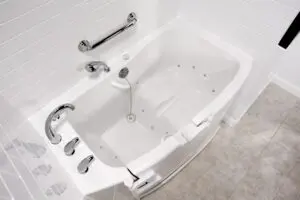
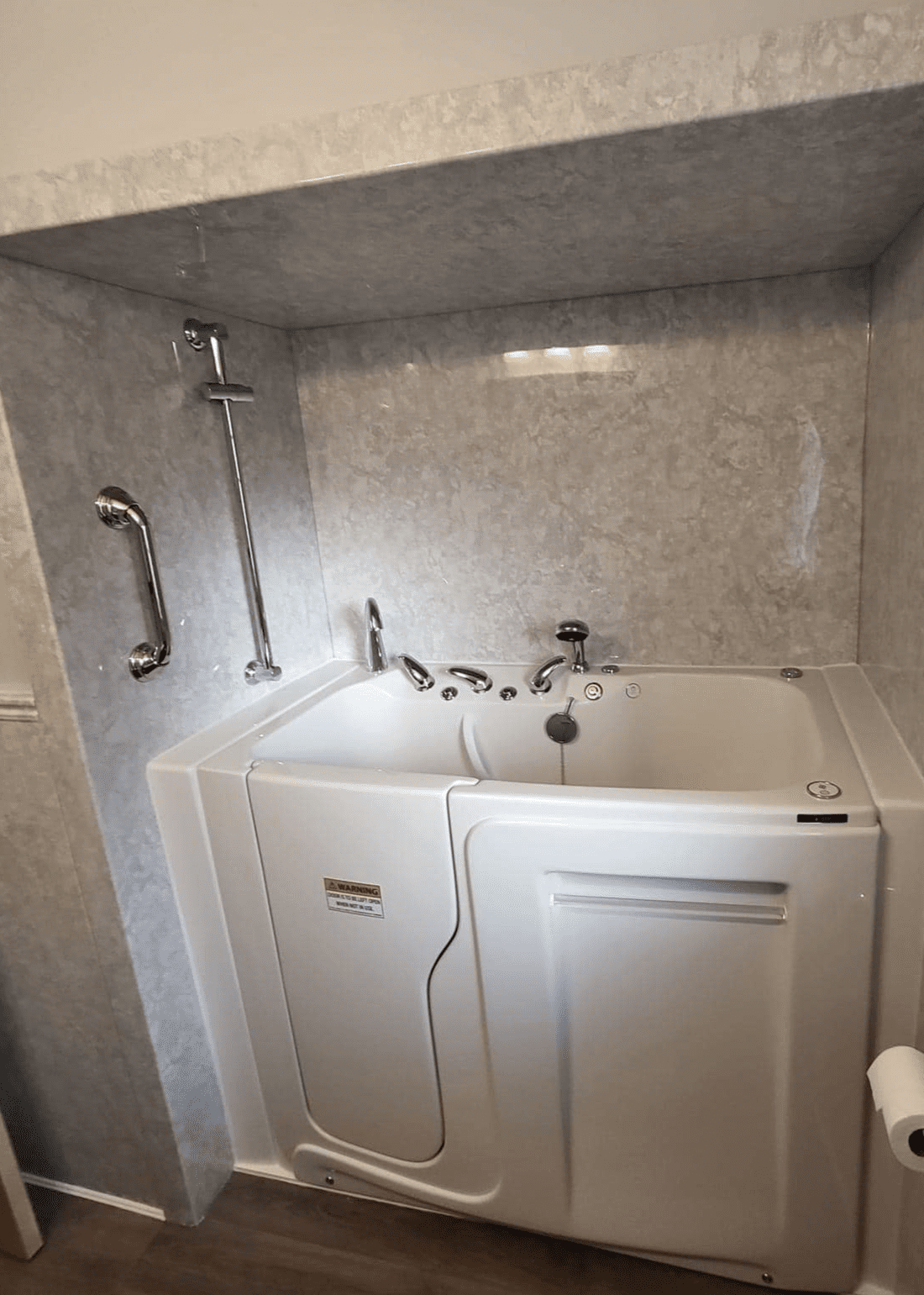
A walk-in tub is a specialized bathtub designed with a watertight door that allows users to enter through a low threshold instead of climbing over a tall tub wall.
Once inside, the user sits on an integrated seat, closes the door, and fills the tub with water. After bathing, the tub drains before the door can be opened safely.
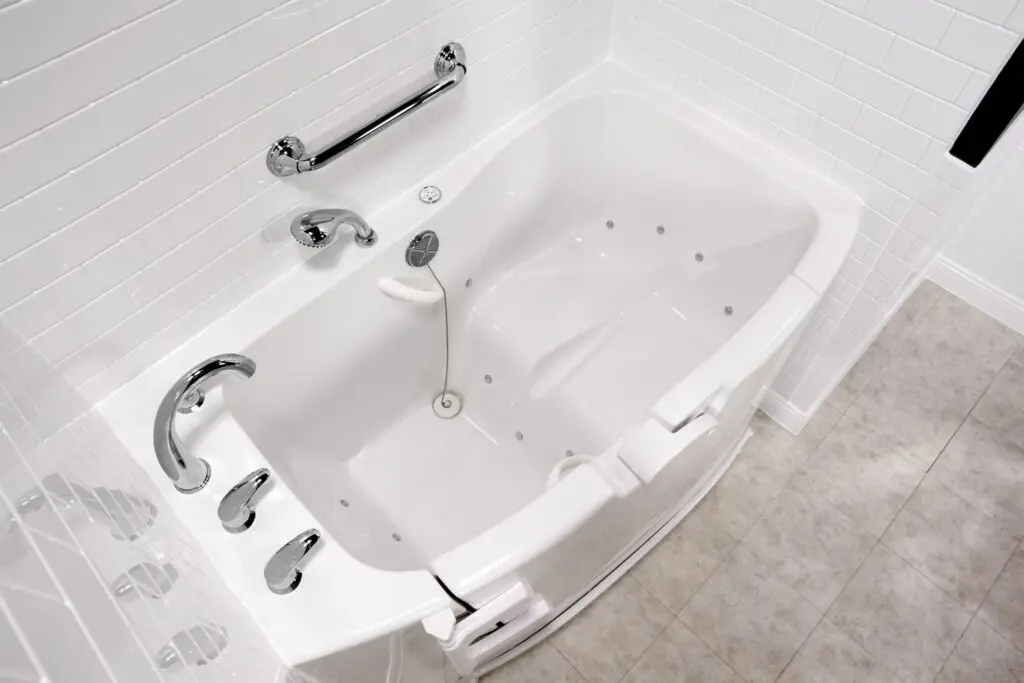
Most walk-in tubs include:
- Low step-through threshold
- Built-in chair-height seating
- Textured slip-resistant flooring
- Integrated grab bars
- Handheld shower wand
- Anti-scald valves
- Fast-drain systems
- Optional hydrotherapy jets
These safety-focused features make walk-in tubs particularly attractive for seniors with mobility limitations.
What Is a Step-Through Tub?
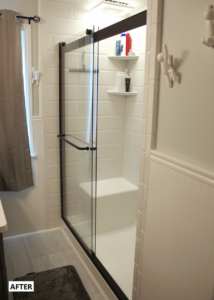
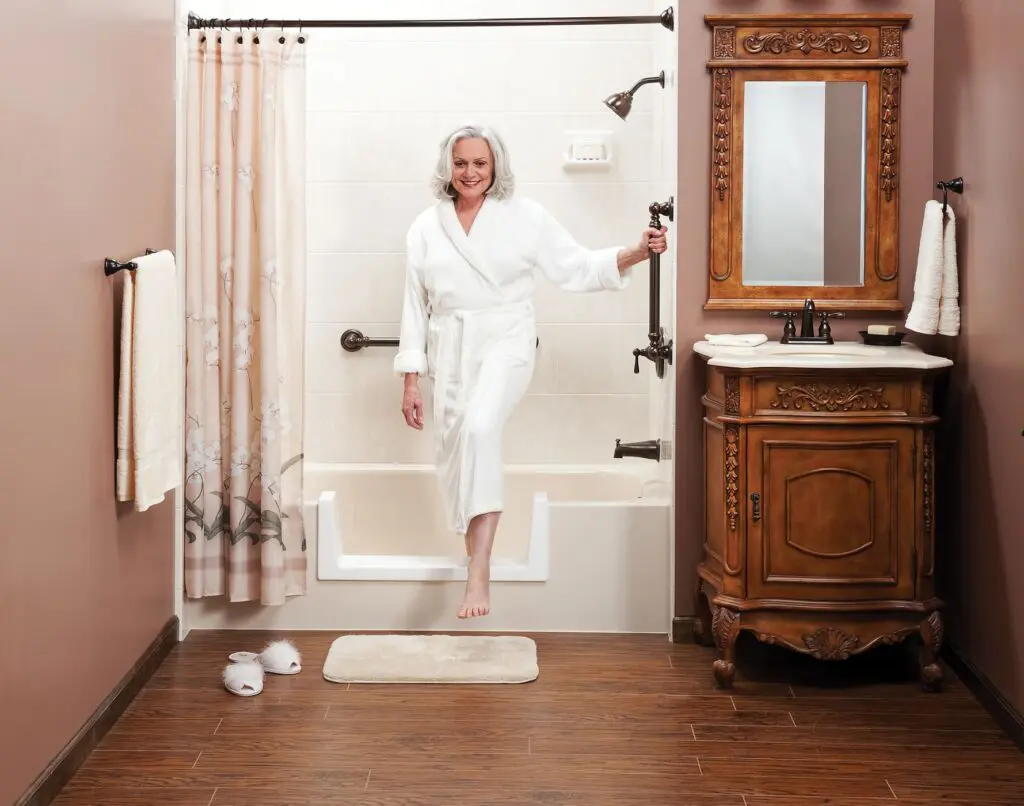
A step-through tub is typically a modified version of a traditional bathtub. Rather than having a full-height tub wall, a portion of the side is lowered to reduce the height required to enter and exit.
Some step-through tubs are created through tub conversion systems that modify an existing bathtub. Others are manufactured as low-threshold bathing products.
Unlike walk-in tubs, most step-through tubs do not include a watertight door or elevated built-in seating. They retain much of the traditional bathtub design while offering somewhat easier access.
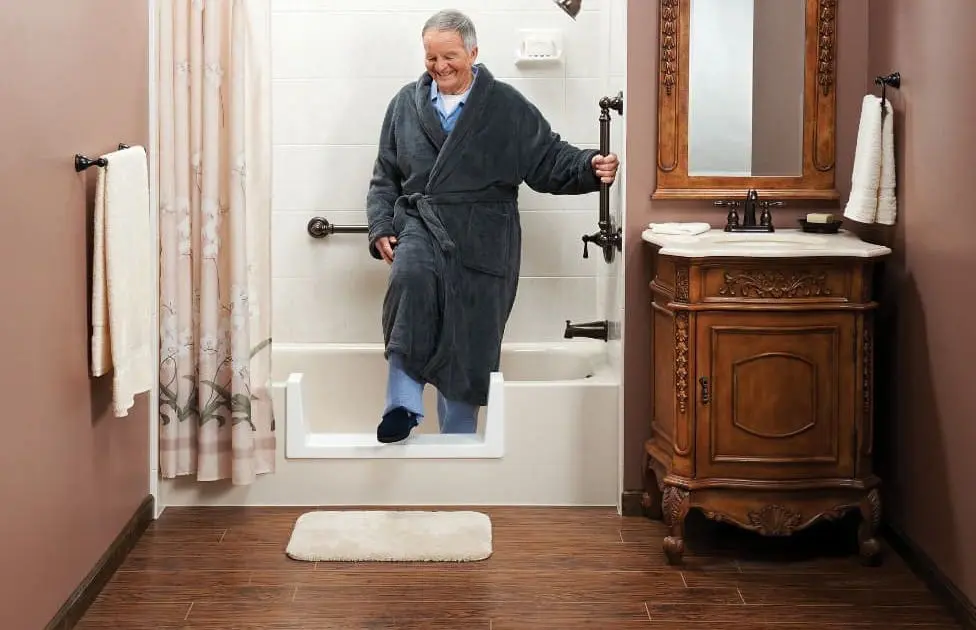
A step-through tub may include:
- Reduced entry height
- Basic grab bars
- Non-slip surfaces
- Optional seating accessories
For seniors with mild mobility challenges, a step-through tub can provide improved accessibility while maintaining the familiar experience of a standard bathtub.
Walk-In Tub vs Step-Through Tub: Safety Comparison
When evaluating bathtub safety for seniors, safety should always be the primary consideration.
Entry and Exit Safety
Walk-in tubs have a clear advantage when it comes to entering and exiting.
The low threshold allows users to step in without lifting their leg high off the ground. Most models also include grab bars strategically placed for support during transfers. Built-in seating further reduces the need for balancing while lowering yourself into the tub.
Step-through tubs improve accessibility compared to traditional tubs but still require users to navigate a partial tub wall and lower themselves into the bathing area.
Winner: Walk-In Tub
Slip Resistance
Walk-in tubs are specifically engineered with safety in mind.
Most feature:
- Textured flooring
- Slip-resistant seating
- Integrated handholds
- Stable sitting positions
Step-through tubs may offer slip-resistant surfaces, but they generally provide fewer built-in safety features.
Winner: Walk-In Tub
Stability While Bathing
A major advantage of walk-in tubs is the elevated built-in seat.
The higher seating position reduces stress on knees and hips while making it easier to sit down and stand up. Seniors remain seated throughout the bathing process, reducing fall risk.
Step-through tubs generally require users to sit lower within the tub, which can be difficult for individuals with joint pain or limited strength.
Winner: Walk-In Tub
Emergency Accessibility
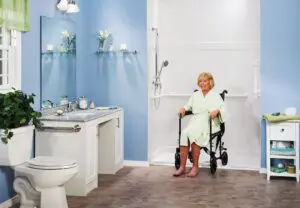
For seniors who require caregiver assistance, walk-in tubs often provide better support and accessibility features.
The ability to transfer directly onto a built-in seat can simplify assisted bathing.
Step-through tubs offer fewer accessibility enhancements and may not be ideal for those with significant mobility limitations.
Winner: Walk-In Tub
Comfort Comparison
Safety is critical, but comfort also plays an important role in selecting the right bathing solution.
Walk-In Tub Comfort Features
Many walk-in tubs include luxury features such as:
- Hydrotherapy jets
- Air massage systems
- Heated backrests
- Aromatherapy options
- Chromotherapy lighting
- Deep soaking capability
Walk-in tubs often provide substantially deeper water immersion than traditional tubs, allowing users to enjoy a full-body soak while remaining comfortably seated.
Step-Through Tub Comfort Features
Step-through tubs maintain the traditional bathing experience.
Benefits include:
- Familiar design
- Simpler operation
- Faster bathing routine
- Less waiting time
However, they generally lack the therapeutic features available with many walk-in tub models.
Pros and Cons of Walk-In Tubs
Advantages
- Excellent safety features
- Low threshold entry
- Built-in seating
- Grab bars and slip-resistant surfaces
- Hydrotherapy benefits
- Supports aging in place
- Can improve independence
Disadvantages
- Higher installation costs
- Longer fill and drain times
- May require plumbing modifications
- Larger water usage
- Potential maintenance requirements for doors and jets
Pros and Cons of Step-Through Tubs
Advantages
- Lower cost than many walk-in tubs
- Familiar bathtub design
- Easier installation
- Reduced remodeling requirements
- Improved accessibility over traditional tubs
Disadvantages
- Fewer built-in safety features
- No integrated seating in many models
- Less suitable for severe mobility limitations
- Limited therapeutic options
- May not provide long-term accessibility as needs change
Which Seniors Benefit Most from a Walk-In Tub?
A walk-in tub is often the best choice for individuals who:
- Have arthritis
- Experience balance issues
- Use a cane or walker
- Have difficulty stepping over a traditional tub wall
- Want therapeutic hydrotherapy
- Plan to age in place long term
- Desire maximum bathing independence
The combination of low-threshold entry, built-in seating, and multiple safety features makes walk-in tubs one of the most comprehensive bathing solutions available today.
Which Seniors Benefit Most from a Step-Through Tub?
A step-through tub may be appropriate for individuals who:
- Have only mild mobility limitations
- Want a more affordable accessibility upgrade
- Prefer a traditional bathtub experience
- Do not require extensive safety features
- Need a faster and simpler installation
For some homeowners, a step-through tub can serve as an intermediate solution before more significant accessibility modifications become necessary.
Other Safety Features to Consider
Regardless of which tub option you choose, additional safety upgrades can further reduce risk.
Consider including:
- ADA-compliant grab bars
- Handheld showerheads
- Anti-scald valves
- Non-slip flooring
- Improved lighting
- Raised toilet seating
- Wider doorways
- Shower benches
- Easy-to-operate faucets
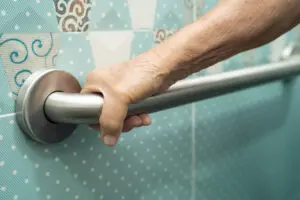
Research continues to show that proper grab bar placement can significantly improve stability and support during transfers and position changes.
Planning for Aging in Place
When evaluating bathtub safety for seniors, it is important to think beyond current needs.
Many homeowners make bathroom modifications after mobility challenges become severe. However, proactive planning often provides better results and allows seniors to remain independent longer.
Questions to ask include:
- Will mobility likely decrease over the next five to ten years?
- Is caregiver assistance expected in the future?
- Are chronic conditions such as arthritis progressing?
- Would a more accessible bathing solution reduce injury risk?
Investing in accessibility today can help avoid costly emergency modifications later.
The Bottom Line
When comparing walk-in tubs and step-through tubs, the right choice depends on a senior’s mobility level, safety requirements, and long-term goals.
A step-through tub can be a practical option for those with minor mobility concerns who want a more affordable upgrade from a traditional bathtub.
However, for seniors seeking the highest level of accessibility, safety, comfort, and independence, a walk-in tub is often the superior solution. Features such as low-threshold entry, built-in seating, slip-resistant surfaces, grab bars, and therapeutic bathing options create a safer environment that supports aging in place for years to come.
At Atlas Home Safety, we understand that every homeowner’s needs are unique. Whether you are exploring walk-in tubs, accessible showers, or complete bathroom safety renovations, choosing the right solution can help create a safer and more comfortable home for the future. Contact us online or call us at 800-768-4498 today to schedule a consultation and explore the solution that’s right for you.
Frequently Asked Questions
1. Are walk-in tubs safer than step-through tubs?
Yes. Walk-in tubs generally offer more safety features, including low-threshold entry, built-in seating, grab bars, slip-resistant flooring, and anti-scald protection.
2. Can a walk-in tub help seniors stay independent longer?
Many seniors find that walk-in tubs make bathing easier and safer, helping them maintain independence and remain in their homes longer.
3. Do walk-in tubs require bathroom remodeling?
In many cases, yes. Installation may require plumbing adjustments, electrical work, and modifications to accommodate the new tub.
4. Are step-through tubs less expensive than walk-in tubs?
Generally, yes. Step-through tubs typically cost less because they involve fewer specialized features and simpler installation requirements.
5. What is the most important bathtub safety feature for seniors?
Low-threshold entry is often considered one of the most important features because it reduces the risk of falls when entering and exiting the tub. Combined with grab bars and slip-resistant surfaces, it significantly improves bathing safety.