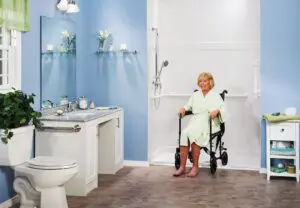




A grab bar may look like a simple bathroom feature, but when it’s placed correctly, it can make a major difference in how safe and confident someone feels in the shower. The key isn’t just installing a grab bar. It’s knowing exactly where to put grab bars in the shower so they’re within easy reach when support is needed most.
Poor placement can make a grab bar awkward or even ineffective. Thoughtful placement, on the other hand, can help steady you while you’re stepping in, turning, standing, or lowering yourself onto a shower seat. Whether you’re planning to age in place, recovering from surgery, or helping a loved one navigate the bathroom more safely, the right setup can make everyday routines feel far less stressful.
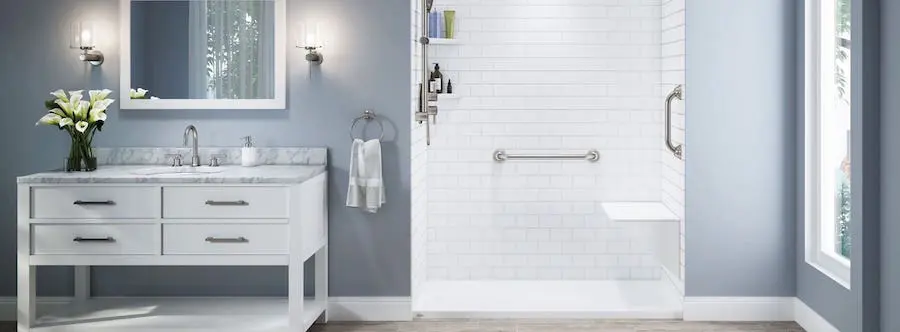
At Atlas Home Safety, we’ve spent more than 35 years helping homeowners create bathrooms that support comfort, independence, and peace of mind. As a division of Atlas Home Improvement, our family-owned Michigan company offers personalized bath safety solutions, including professionally installed grab bars and accessories, walk-in showers, barrier-free showers, and complete accessible bathroom remodels. We understand that every homeowner moves differently, which is why we don’t take a one-size-fits-all approach.
In this guide, we’ll explain the best places to install grab bars in the shower, how different placements support different movements, and why professional installation is essential for lasting safety.
Ready to make your bathroom safer? Call Atlas Home Safety at 800-768-4498 or schedule a consultation online to connect with one of our bathroom safety specialists.
Why Does Grab Bar Placement Matter?
Every shower is different, so there’s no universal placement that works for every home. The ideal location depends on your shower’s layout, your height, your mobility, and whether you’re planning for future accessibility.
Here are the most common locations where grab bars provide the greatest benefit:
At the Shower Entrance
One of the most important locations for a grab bar is at the shower entrance.
Stepping into or out of a shower is when many slips occur, especially if you’re navigating a raised curb or traditional bathtub. A grab bar near the entrance provides a secure handhold as you transition between dry and wet surfaces.
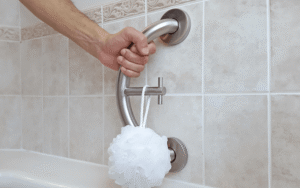
In many bathrooms, a vertical grab bar is installed just inside the shower entrance because it offers support at multiple hand positions and is easy to reach while stepping in or out.
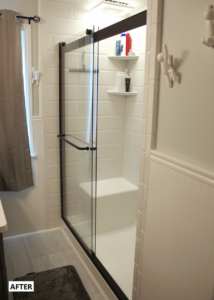
If you’re planning a bathroom remodel, replacing a traditional shower with a barrier-free shower or walk-in shower can further reduce tripping hazards while improving accessibility.
Along the Side Wall
The side wall is one of the most common and useful locations for a grab bar.
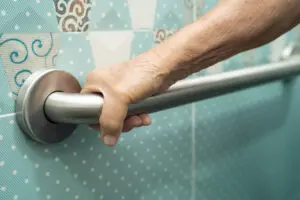
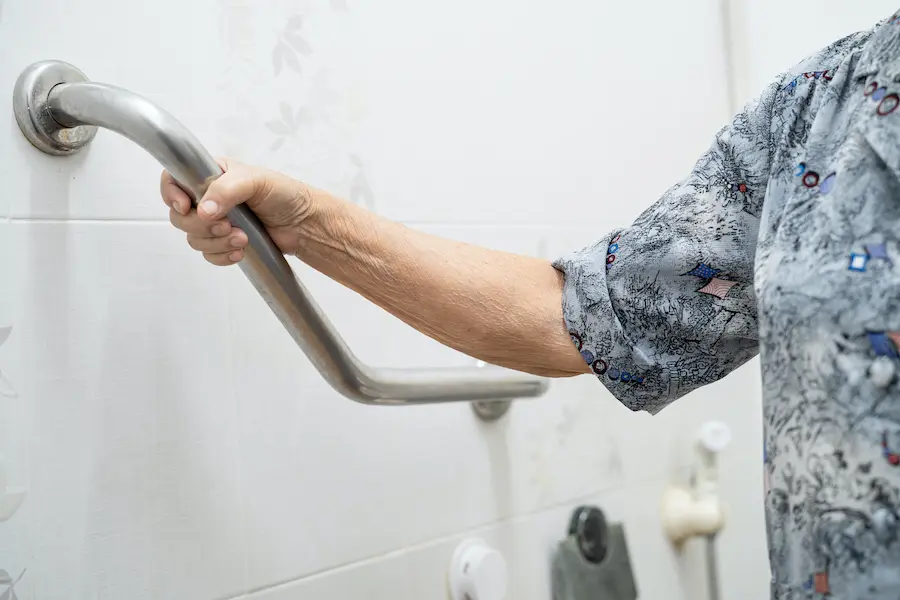
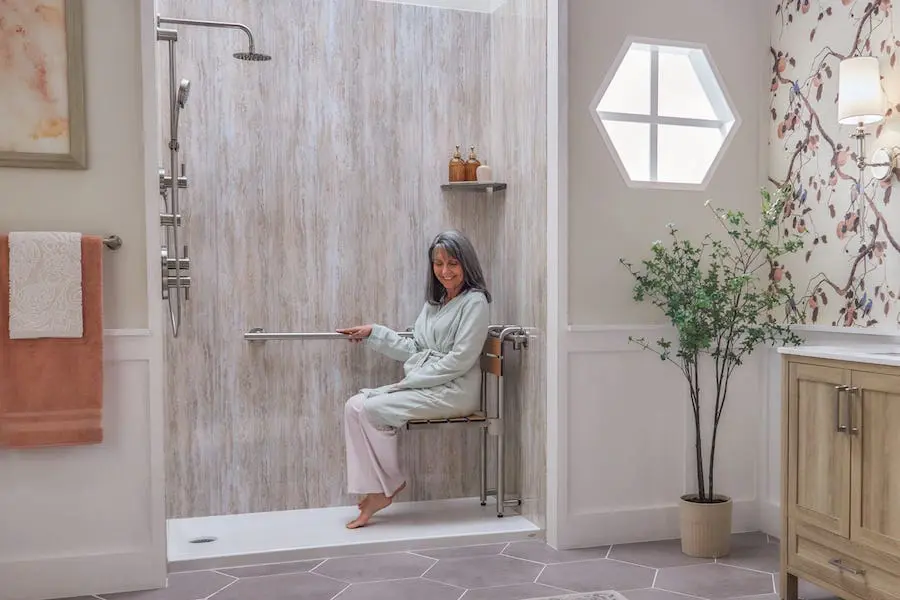
A horizontal grab bar installed along the side wall provides continuous support while you’re standing, turning, or moving around the shower. It allows users to steady themselves while washing, adjusting the water temperature, or reaching for toiletries.
Depending on your shower’s size, more than one grab bar may be appropriate to provide support throughout the bathing area.
Professionally installed grab bars are positioned based on the user’s natural movements, making them much more effective than placing them according to generic measurements.
On the Back Wall
Larger showers often benefit from an additional grab bar on the back wall.
This location provides another point of stability while changing direction or repositioning yourself during a shower. For homeowners with balance concerns, having multiple support points throughout the shower can significantly improve confidence and reduce the need to reach awkwardly for support.
Back-wall grab bars are especially beneficial in spacious walk-in showers where users may move farther away from the entrance during normal use.
Near Shower Seating
If your bathroom includes a built-in or fold-down shower seat, grab bars become even more important.
The transition between standing and sitting is one of the times when additional support is most helpful. Properly positioned grab bars make it easier to lower yourself onto the seat and safely stand again after bathing.
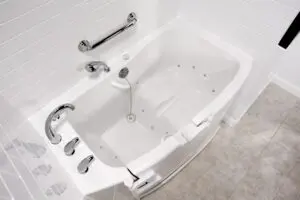
Today’s shower seat options are designed to blend seamlessly into modern bathrooms while providing added comfort, convenience, and safety. When paired with professionally placed grab bars, they create a bathing environment that’s both attractive and highly functional.
Outside the Shower
Grab bars aren’t limited to the inside of your shower.
Installing grab bars just outside the shower entrance, near the toilet, or along frequently traveled pathways can provide additional support as you move throughout the bathroom.
For homeowners planning a complete bathroom remodel, evaluating the bathroom as a whole often results in a safer, more cohesive design than adding grab bars one at a time.
Choosing the Right Type of Grab Bar
Placement is only one part of the equation. Choosing the right style of grab bar is just as important.
Today’s grab bars are available in a variety of lengths, orientations, finishes, and designs, allowing homeowners to improve safety without compromising the appearance of their bathroom.
Common Types of Shower Grab Bars
The best type of grab bar depends on your bathroom layout, where support is needed most, and how you use the space each day. Common options include:
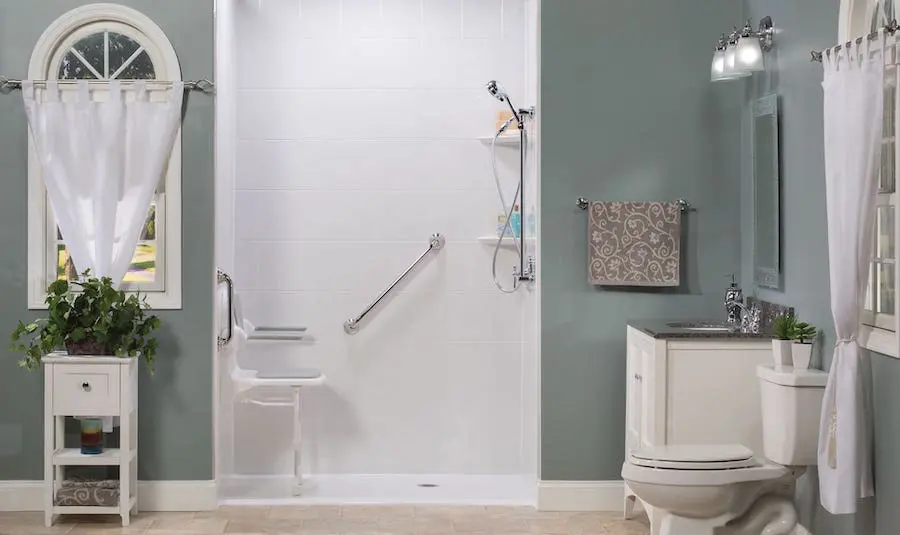
- Horizontal grab bars: The most common choice for shower walls, horizontal grab bars provide continuous support while standing, turning, and moving throughout the shower. They also help you maintain balance while reaching for toiletries, adjusting the shower controls, or rinsing off.
- Vertical grab bars: Often installed near the shower entrance, vertical grab bars provide a secure handhold when stepping in or out. Their upright design makes them easy to grip at different heights, making them ideal for transitions.
- Angled grab bars: Angled grab bars combine the benefits of both horizontal and vertical designs, offering a comfortable grip when standing up, sitting down, or changing positions. Many homeowners find they provide additional leverage and a more natural hand position.
- Decorative grab bars: Today’s grab bars are available in a wide range of finishes and styles, allowing them to complement faucets, shower doors, towel bars, and other bathroom hardware. They provide the safety you need without giving your bathroom a clinical appearance.
The right combination of grab bars should be tailored to your bathroom layout, mobility needs, and long-term goals. A professional assessment can help ensure each grab bar is positioned where it provides the greatest support while blending seamlessly into your bathroom’s design.
Why Professional Grab Bar Installation Matters
Even the best grab bar can fail if it isn’t installed correctly.
Grab bars are designed to support body weight during the exact moment someone loses balance, steps over a threshold, or needs help standing up. To provide that level of support, they must be securely attached to wall studs, structural blocking, or another approved mounting system.
That’s why towel bars and suction-cup handles aren’t safe substitutes. They may look sturdy, but they aren’t designed to bear body weight and can pull away from the wall when they’re needed most.
Professional installation helps ensure your grab bars are:
- Securely anchored for dependable strength
- Positioned where you can reach them naturally
- Installed without compromising tile or waterproofing
- Matched to your bathroom layout and mobility needs
- Built to provide reliable support for years to come
At Atlas Home Safety, we don’t treat grab bar installation as a one-size-fits-all project. Our team evaluates how you enter, exit, turn, stand, and sit before recommending placement. That careful planning helps ensure each grab bar provides meaningful support while fitting naturally into your bathroom’s design.
Why Michigan Homeowners Trust Atlas Home Safety
Creating a safer bathroom is about more than installing new products. It’s about helping you or someone you love move through the space with greater comfort, confidence, and independence.
Over the past three decades, we’ve built our reputation on compassionate guidance, dependable craftsmanship, and personalized solutions that make everyday life easier.
We know every homeowner has different mobility needs, routines, and long-term goals. That’s why we take the time to evaluate your space, understand how you use your bathroom, and recommend improvements that fit your lifestyle.
Our services include:
When you choose Atlas Home Safety, you’re choosing a team that takes your safety seriously and treats your home with the care and respect it deserves.
Ready to Make Your Shower Safer?
The right grab bar placement can make every shower feel safer, easier, and more comfortable. Whether you’re planning ahead, recovering from an injury, or helping a loved one age in place, professionally installed grab bars can provide the support and confidence needed for everyday routines.
At Atlas Home Safety, we’ve helped homeowners across Michigan create safer bathrooms for more than 35 years. From grab bar installation to walk-in showers, barrier-free showers, shower seating, and complete accessible bathroom remodels, we’ll help you choose solutions that fit your space, mobility needs, and long-term goals.
Ready to take the next step? Contact Atlas Home Safety or call 844-660-7233 to schedule your consultation. Our team will help you create a bathroom that supports greater comfort, independence, and peace of mind.
FAQ: Where to Put Grab Bars
Where is the best place to install grab bars in a shower?
The best location depends on your shower layout and mobility needs, but grab bars are commonly installed at the shower entrance, along the side wall, near shower seating, and on the back wall for additional stability. A professional assessment can help determine the safest placement for your specific bathroom.
Should shower grab bars be installed vertically or horizontally?
Both orientations serve different purposes. Vertical grab bars are often placed near the shower entrance to assist with stepping in and out, while horizontal grab bars provide continuous support while standing, turning, and moving around the shower. Many bathrooms benefit from a combination of both.
How many grab bars should a shower have?
There’s no one-size-fits-all answer. Some showers only require one strategically placed grab bar, while others benefit from multiple bars positioned throughout the space. The ideal number depends on the user’s mobility, the size of the shower, and the overall bathroom layout.
Can grab bars be installed on tile?
Yes. Grab bars can be installed on tiled shower walls, but they should be professionally installed and securely anchored to structural framing or an approved mounting system. Proper installation is essential to ensure they safely support body weight.
Are grab bars only for seniors?
Not at all. Grab bars can benefit anyone recovering from surgery, living with a disability or mobility challenge, managing a temporary injury, or simply looking to make their bathroom safer. They’re also a smart addition for homeowners planning to age in place and remain independent for years to come.