



When it comes to aging comfortably at home, bathroom safety is one of the most important considerations. At Atlas Home Safety, we know that maintaining a clean bathtub is essential for hygiene, but it should never come at the expense of your safety. If bending, kneeling, or balancing has become more challenging over the years, cleaning your bathtub can quickly become a risky task.
This guide explains how to clean a bathtub while minimizing the risk of slips, falls, overexertion, and exposure to harsh cleaning products. Whether you’re maintaining your own bathroom or helping a loved one age in place, these practical tips can make the job safer and easier.
Why Bathtub Cleaning Matters
A bathtub collects soap scum, body oils, hard water deposits, mildew, and bacteria over time. Besides looking dirty, these buildups can create slippery surfaces that increase the risk of falls.
Regular cleaning helps:
- Prevent slippery soap residue
- Reduce mold and mildew growth
- Eliminate bacteria and odors
- Extend the life of your bathtub
- Keep your bathroom healthier and more inviting
Cleaning more frequently also makes each session much easier because grime has less time to build up.
Gather Your Cleaning Supplies Before You Start
Before beginning, gather everything you’ll need so you don’t have to make repeated trips back and forth.
Common cleaning supplies include:
- Non-abrasive bathroom cleaner appropriate for your tub material
- Soft sponge or microfiber cloth
- Soft-bristle scrub brush
- Spray bottle if using diluted cleaner
- Bucket of warm water
- Rubber gloves
- Dry microfiber towel
- Long-handled scrub brush if reaching is difficult
Avoid steel wool, stiff wire brushes, or highly abrasive scrubbers unless the bathtub manufacturer specifically recommends them. These can scratch many bathtub finishes and make future cleaning more difficult.
Know What Type of Bathtub You Have
One of the biggest mistakes homeowners make is using the wrong cleaner.
Different bathtub materials require different care.
Acrylic Bathtubs
Acrylic tubs are popular because they are lightweight and durable.
Use:
- Mild dish soap
- Non-abrasive bathroom cleaner
- Soft sponge or microfiber cloth
Avoid:
- Abrasive powders
- Steel wool
- Harsh scouring pads
Fiberglass Bathtubs
Fiberglass finishes are more susceptible to scratching.
Choose gentle liquid cleaners and soft cloths. Avoid aggressive scrubbing whenever possible.
Porcelain or Enamel Tubs
Porcelain tubs are durable but can chip if cleaned with harsh tools.
Use non-abrasive cleaners and soft brushes to protect the finish.
Stone or Specialty Surfaces
Natural stone and specialty finishes often require cleaners specifically designed for those materials.
Always follow the manufacturer’s recommendations before trying a new cleaning product.
Step-by-Step: How to Clean a Bathtub
Following a simple process helps produce better results while reducing unnecessary effort.
1. Remove Bath Items
Take out shampoo bottles, soap dishes, bath mats, toys, and other accessories.
This gives you full access to every surface.
2. Rinse the Tub
Use warm water to rinse away loose dirt, hair, and debris before applying cleaner.
This allows the cleaning product to work more effectively.
3. Apply Your Cleaner
Spray or apply the cleaner evenly across the bathtub.
Pay extra attention to:
- Around the drain
- Water line
- Corners
- Soap dishes
- Faucet area
Allow the cleaner to sit for several minutes according to the product instructions.
This helps loosen soap scum and mineral deposits without requiring heavy scrubbing.
4. Gently Scrub
Using a soft sponge or brush, clean the bathtub with light pressure.
Work from top to bottom so dirt moves downward rather than onto already cleaned surfaces.
If stubborn stains remain, allow the cleaner to dwell a little longer instead of scrubbing aggressively.
5. Rinse Thoroughly
Rinse away all cleaner using warm water.
Leftover cleaning chemicals can leave residue that attracts dirt and may create slippery surfaces.
6. Dry the Surface
Use a microfiber towel to dry the bathtub completely.
Drying helps prevent:
- Water spots
- Soap residue
- Hard water buildup
- Mildew growth
How Often Should You Clean Your Bathtub?
A consistent routine makes cleaning easier.
A good schedule includes:
- Light wipe-down after each use
- Weekly cleaning for most households
- More frequent cleaning if multiple people use the tub daily
- Immediate cleanup after bath oils or bath bombs to reduce slippery residue
Smaller, regular cleanings are often much easier than waiting until heavy buildup develops.
Safety Tips for Older Adults Cleaning a Bathtub
For many people aging in place, cleaning the bathtub is less about the cleaning itself and more about staying safe while doing it.
Avoid Kneeling Inside the Tub
Climbing into a bathtub to clean it dramatically increases fall risk.
Instead:
- Clean from outside the tub whenever possible.
- Use long-handled tools to reach difficult areas.
- Move around the outside rather than leaning too far.
Wear Slip-Resistant Shoes
Wet bathroom floors become slippery quickly.
Wear shoes with non-slip soles rather than socks or bare feet while cleaning.
Keep the Bathroom Well Ventilated
Many bathroom cleaners release fumes.
Open windows or run the exhaust fan during cleaning to improve air circulation and reduce inhalation of cleaning chemicals.
Never Mix Cleaning Products
Certain combinations, especially bleach with ammonia or acidic cleaners, can create dangerous gases.
Always use one cleaning product at a time and follow the manufacturer’s instructions.
Take Breaks
Cleaning does not need to happen all at once.
If fatigue, arthritis, or limited mobility makes the task difficult:
- Clean half today
- Finish tomorrow
Shorter sessions reduce strain and lower the risk of losing balance.
Use Proper Body Mechanics
Avoid twisting while reaching.
Instead:
- Keep both feet planted.
- Bend at the knees rather than the waist when possible.
- Move your feet instead of overreaching.
These simple adjustments reduce stress on your back and shoulders.
Cleaning Tips That Make the Job Easier
A few small habits can dramatically reduce future cleaning effort.
Wipe Down After Bathing
Using a towel or squeegee after each shower removes moisture before soap scum forms.
This simple habit takes less than one minute.
Address Stains Early
Fresh stains remove much more easily than stains that have been sitting for weeks.
If you notice discoloration, clean it promptly.
Store Supplies Nearby
Keep cleaning supplies in an easy-to-reach location.
Avoid carrying heavy buckets or repeatedly bending under sinks.
Choose Lightweight Cleaning Tools
Long-handled scrubbers, microfiber cloths, and spray bottles often require much less effort than traditional brushes.
These tools can help reduce shoulder and back strain.
When Cleaning Becomes Too Difficult
There may come a point where cleaning a traditional bathtub becomes physically challenging despite using safer techniques.
Warning signs include:
- Difficulty stepping around the tub
- Trouble bending or kneeling
- Poor balance
- Frequent fatigue
- Fear of falling while cleaning
If these challenges sound familiar, it may be time to evaluate whether your bathroom still supports your needs.
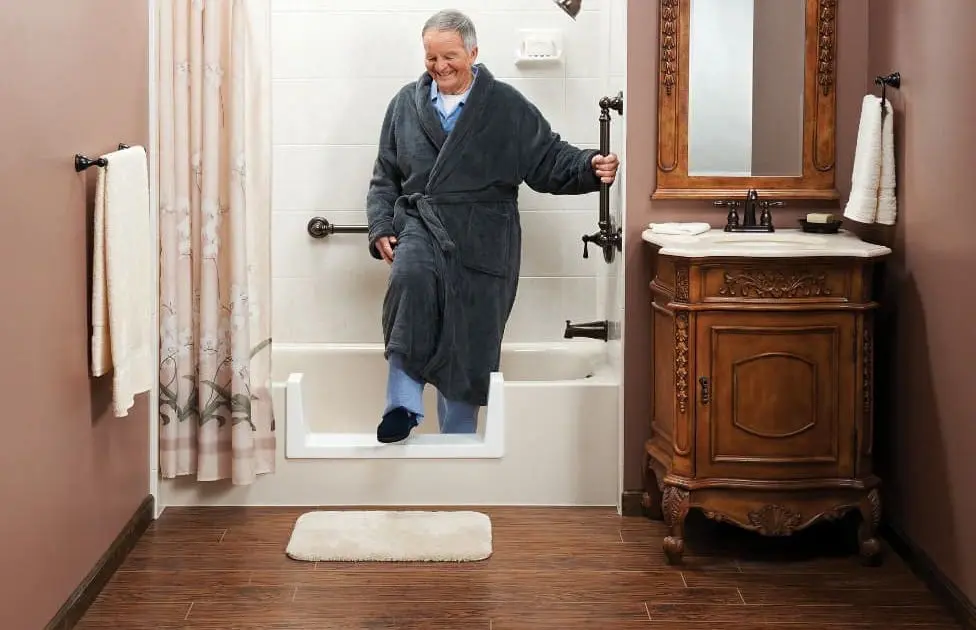
Many homeowners who plan to age in place find that upgrading the bathroom creates a safer environment while also making cleaning easier.
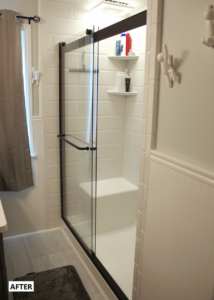
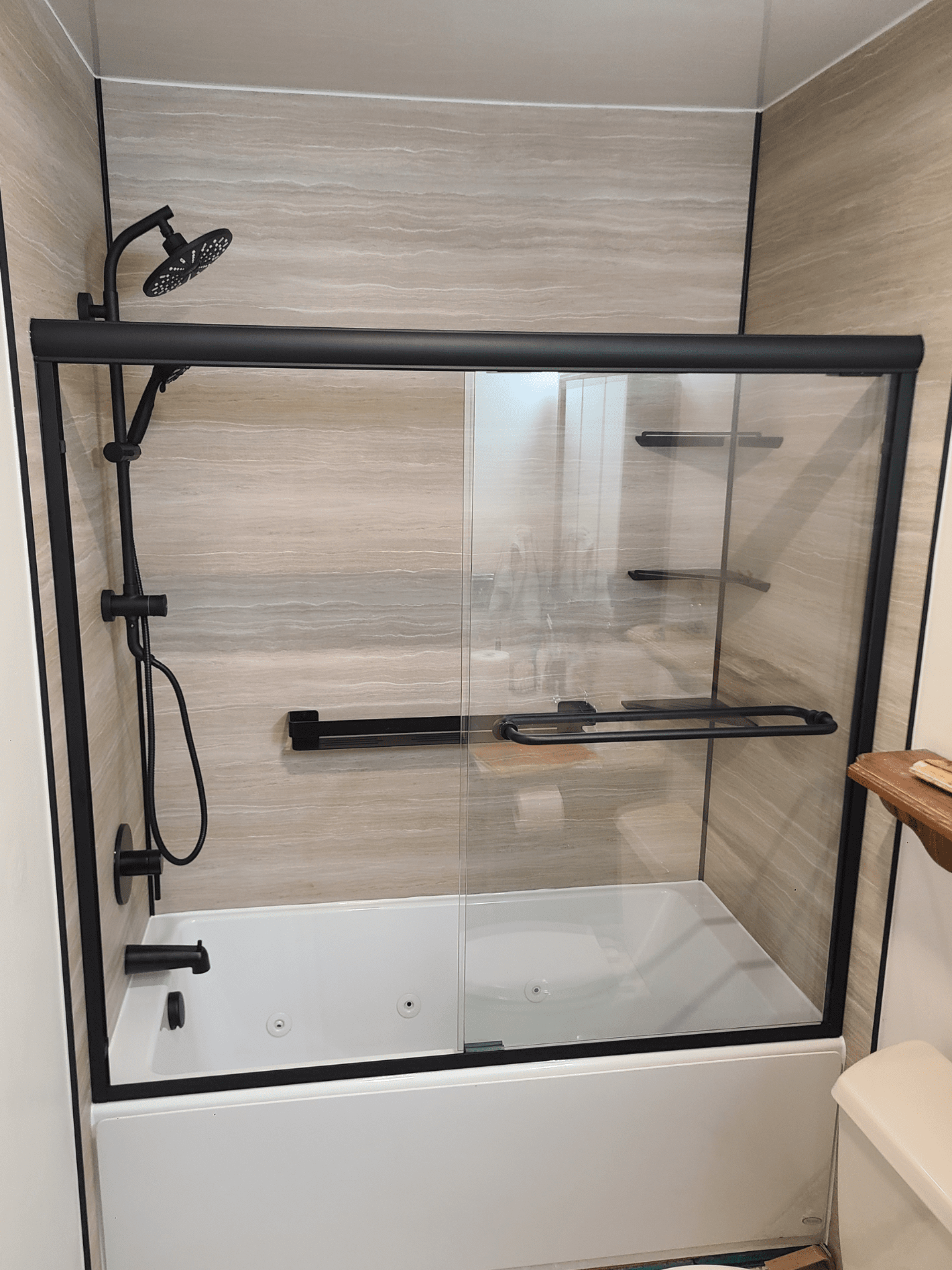
Walk-in showers often eliminate tall tub walls, while smooth wall panels require less scrubbing than traditional tile and grout.
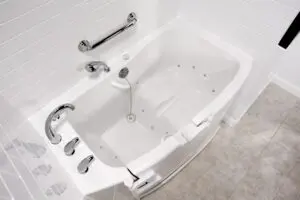
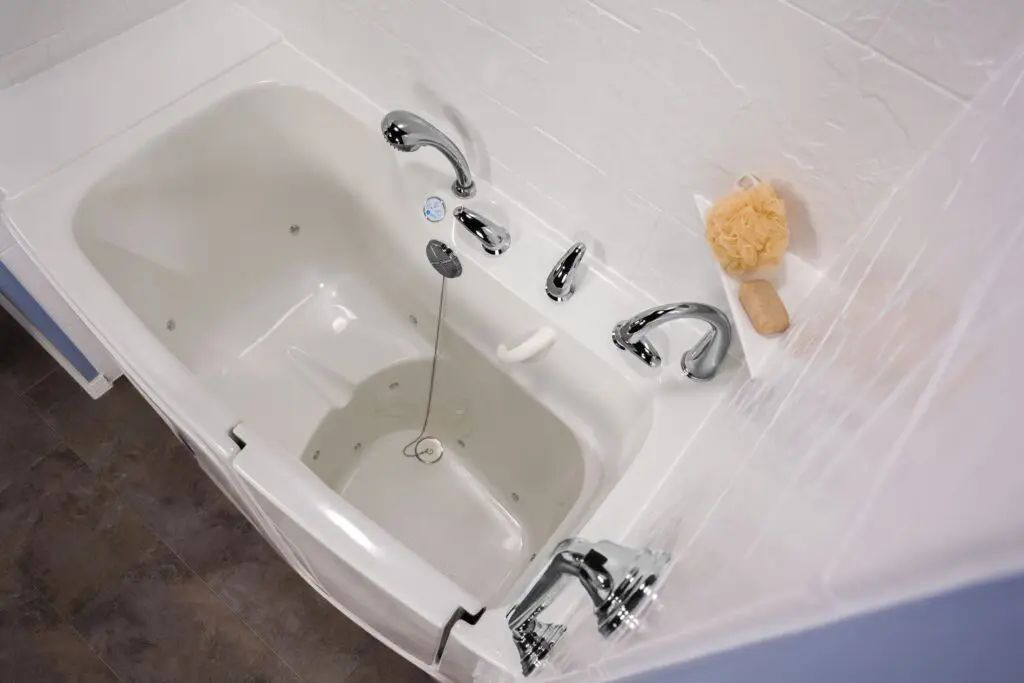
Likewise, newer walk-in tubs and accessible bathing products are often designed with easy maintenance in mind.
Making Your Bathroom Safer for Everyday Living
Cleaning safely is only one part of bathroom safety.
Reducing fall hazards throughout the bathroom can make daily routines significantly safer.
Helpful improvements include:
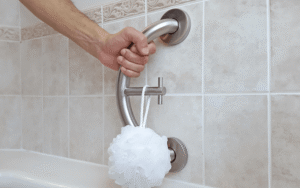
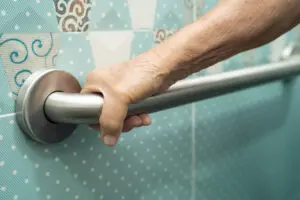
- Grab bars
- Handheld showerheads
- Non-slip flooring
- Improved lighting
- Raised toilet seats
- Easy-to-reach storage
- Slip-resistant bath mats outside the tub
These features help reduce the likelihood of slips during both bathing and cleaning.
At Atlas Home Safety, we also help homeowners improve accessibility with walk-in and barrier-free showers, step-through and walk-in tubs, shower seats, grab bars, and other bathroom safety accessories that support safer, more comfortable aging in place.
Common Cleaning Mistakes to Avoid
Even with good intentions, a few common mistakes can damage your bathtub or create unnecessary safety risks.
Avoid these habits:
- Using abrasive scrubbers that scratch the finish
- Letting cleaning chemicals sit longer than directed
- Mixing different cleaning products
- Cleaning while standing inside the tub
- Forgetting to rinse away cleaning residue
- Ignoring ventilation when using stronger cleaners
- Waiting months between cleanings
Preventing these mistakes keeps both your bathtub and your home safer.
A Simple Bathtub Cleaning Routine
If you want an easy routine that’s manageable over time, try this schedule.
Daily (1 minute):
- Rinse the tub.
- Wipe away standing water.
Weekly (10 to 15 minutes):
- Spray cleaner.
- Let it sit.
- Gently scrub.
- Rinse thoroughly.
- Dry with a microfiber towel.
Monthly:
- Inspect caulking.
- Check for mold or mildew.
- Clean around fixtures.
- Evaluate bathroom safety hazards.
This approach keeps cleaning manageable while reducing heavy scrubbing sessions.

Final Thoughts
Learning how to clean a bathtub safely is about much more than keeping your bathroom looking nice. A clean tub helps reduce slippery residue, prevents mold and mildew, and creates a healthier space for everyday bathing. Just as importantly, using safe cleaning techniques helps protect you from falls, overexertion, and unnecessary injuries.
For older adults and anyone planning to age in place, the right tools, gentle cleaning methods, and thoughtful bathroom design can make routine maintenance much easier. By cleaning regularly, choosing products suited to your bathtub’s material, and prioritizing safety every step of the way, you can maintain a bathroom that supports both cleanliness and independence.
If you’re finding that your current bathtub is becoming difficult or unsafe to clean or use, Atlas Home Safety is here to help. Contact our team online or call us at 800-768-4498 today to learn more about our accessible bathroom solutions, including walk-in showers, walk-in tubs, barrier-free showers, and safety accessories that help you stay comfortable and confident in your home for years to come.
FAQ: How to Clean a Bathtub
1. What is the best way to clean a bathtub without damaging it?
Use a non-abrasive cleaner that is appropriate for your bathtub’s material along with a soft sponge or microfiber cloth. Avoid steel wool and harsh scrubbing pads that can scratch the surface.
2. How often should I clean my bathtub?
A weekly deep cleaning combined with a quick rinse or wipe-down after each use is generally enough to prevent soap scum, mildew, and hard water buildup.
3. Is it safe for older adults to stand inside the bathtub while cleaning?
No. Whenever possible, clean the bathtub from outside the tub using long-handled tools to reduce the risk of slipping and falling.
4. Can I use bleach to clean my bathtub?
Some bathtub materials can tolerate bleach, but always follow the cleaner manufacturer’s instructions and never mix bleach with other cleaning products, especially those containing ammonia or acids.
5. What bathroom upgrades can make cleaning and bathing safer?
Features such as walk-in showers, walk-in tubs, barrier-free showers, grab bars, shower seats, handheld showerheads, and slip-resistant flooring can improve both safety and ease of maintenance.